Bistrica is the administrative capital and largest city of District IV (Severnivaraje). Located in the far north of the Divine Republic of Kresimiria, it sits nestled in a deep valley beyond the imposing Severni Range mountains.
Geographically isolated from the rest of the country and the federal capital, Sinj, Bistrica has developed a distinct political and cultural identity. It is the headquarters of the regionalist party Northern Power and the media group Northfocus. Due to the intense anti-establishment sentiment of its population and its role as the power base for Syv Iric, it is frequently referred to by political commentators as “The Capital of the Opposition,” distinct from the official parliamentary opposition in Sinj.
Geography and Architecture
Bistrica is often called “The Vertical City.” It is built into the steep, forested slopes of the valley, with streets that function more like staircases.
- The Architecture: Unlike the concrete Brutalism of Novi Otonik or the Imperial stone of Sinj, Bistrica is defined by timber architecture. The city is famous for its dark-wood A-frame houses and communal halls, designed to shed the heavy snowfalls of the northern winter.
- The Severni Barrier: The city is separated from the southern part of the district (including the university city of Pulma) by the Severni Range. This geographic barrier has historically made the city difficult for the central government to police or control, fostering a spirit of independence.
- The Iron Citadel: Dominating the valley floor is the headquarters of SeverMin, a fortress-like complex of black stone and steel that controls the local coal mines. The visual contrast between the corporate fortress below and the wooden city above mirrors the district’s class struggle.
The intense concentration of heavy extraction in the Bistrica valley creates a localized micro-climate of severe pollution. Because of thermal updrafts, this toxic smog rarely settles permanently in the city center, but is instead blown northward up the Severni passes. This phenomenon essentially exports Bistrica’s environmental crisis directly into the Alandir Confederacy, blanketing the high-altitude border town of Oberskrad in a near-permanent haze of heavy metal particulate.
History
The Mining Outpost (1900–1929)
Originally a small logging village, Bistrica exploded in size in the early 20th century with the discovery of high-grade coal seams. Under the Vosti Empire, it became a resource extraction hub. The harsh conditions in the mines led to the radicalization of the workforce, birthing the labor movement led by Igor Marlek.
The Iric Stronghold (1929–Present)
Following the Unification War, the city became the center of northern regionalism. Antonio Iric, founder of the Bistrice People’s Party (BPP), established his base here in 1922.
Throughout the 20th century, the city served as a sanctuary for political figures who fell out of favor in Sinj. During the “Iron Era” of Chancellor Kresimirovic II, Bistrica was often described as a “state within a state,” where federal agents from the CIA operated with difficulty due to the hostility of the locals.
While SeverMin dominates the valley floor, the surrounding slopes are the domain of the Severnivaraje Forestry Cooperative. Headquartered in the upper city, the SFC is the second-largest employer in the region and a political counterbalance to the mining giant.
In the 21st century, under Syv Iric, the city has modernized. The “Bistrica Renaissance” saw the conversion of old warehouses into the studios of Northfocus, turning the city into a media rival to the capital.
Politics
Politics in Bistrica are dominated entirely by Northern Power. The party holds every seat on the municipal council.
- The “Citadel of Resistance”: The city government frequently clashes with the Federal Councils. In 2016, Mayor Ludvig Aspelund famously refused to enforce the Digital Vigilance Act, ordering local police not to assist federal agents in seizing non-compliant devices — a stand that survived the failed sedition case Council for Internal Affairs v. Aspelund.
- Environmentalism vs. Industry: The city is the epicenter of the conflict between the environmental wing of Northern Power and the mining giant SeverMin. Protests outside the Iron Citadel are a weekly occurrence.
The absolute hegemony of Northern Power over the city was violently interrupted in 1992. The previous year, the wildly popular, militant Mayor Gabriel Ekdahl had been arrested for viciously beating a rival union leader and running a multi-million-Krejt extortion ring out of City Hall. The sheer scale of the resulting corruption scandal shattered the local left-wing coalition, allowing the conservative Vjetrusa party to successfully capture the mayoralty for the first time in modern history by promising to clean up the violent, mob-like culture of the local mining syndicates.
That interruption did not last. After the 1994 Shaft 4 Collapse and The State v. SeverMin (Shaft 4), Mayor Darko Horvat resigned (1995). The NP-led council’s attempt to govern without a fresh election produced Petrovic v. Council of Bistrica (1995–1997): a mandamus suit that forced a poll, a nullified Elena Jakovic victory, and a Sinj-adjudicated December 1997 re-run that elected Joakim Hedstrom — restoring Northern Power to the mayoralty under judicial supervision rather than caretaker fiat.
Economy
- Mining: Despite the political tension, SeverMin remains the largest private employer. The “Black Dust” from the mines covers the lower city in a fine layer of soot during the summer.
- Media: The rise of Northfocus has created a booming digital economy. The “Glass Mill,” the media group’s headquarters, employs hundreds of journalists, editors, and tech workers who are barred from working in state media.
- Forestry: The Severnivaraje Forestry Cooperative manages the vast timber reserves surrounding the city.
Culture
Bistrica has a gritty, counter-cultural reputation.
- Music: It is the birthplace of the legendary punk band The Black Lungs. The city’s underground clubs are known for a heavy industrial rock sound that mimics the noise of the mines.
- Cuisine: The city is the home of Bistrice Zhrazha, a hearty hunter’s stew made with venison and dark beer, traditionally eaten by miners after a long shift.
- Festivals: The city hosts the Festival of the First Frost, a pagan-origin celebration involving large bonfires. The festival is frequently condemned by the Sons of Kresimir in the south but is protected by the local government as cultural heritage.
Mayoral Elections
2024
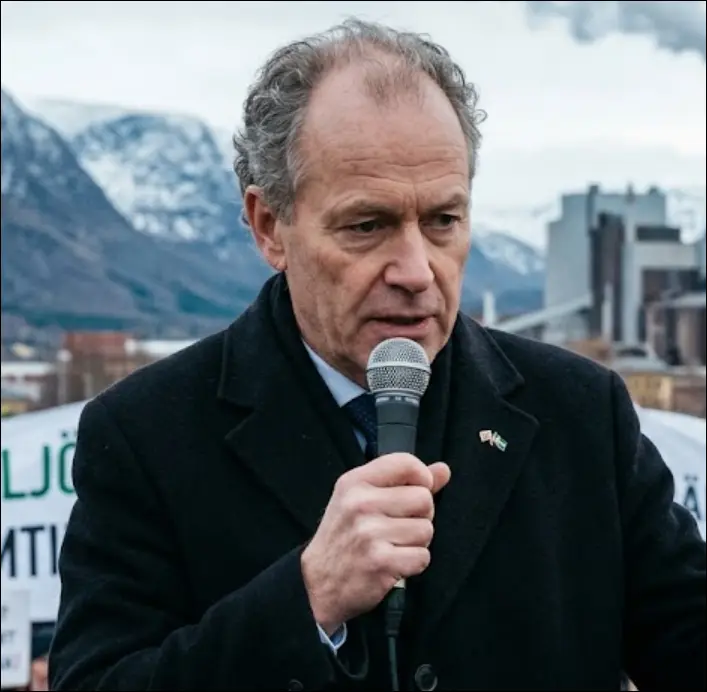
Ludvig Aspelund secured a landslide re-election, capitalizing on his highly publicized legal battles against SeverMin and the federal government. His refusal to back down on municipal water taxes turned the election into a referendum on Bistrica’s autonomy. The Blue Dawn (BD) opposition, representing federal interests, collapsed completely, while the Vjetrusa (VJ) failed to outflank Aspelund on the right.
| Name | Party | Vote Share | Change | Elected |
|---|---|---|---|---|
| Ludvig Aspelund * | NP | 68.2% | +11.4% | ✓ |
| Davor Bernardić | BD | 14.5% | -8.2% | |
| Miroslav Skoro | VJ | 9.1% | -3.5% | |
| Iva Bilić | CRF | 4.2% | +0.5% | |
| Fra. Marko | SoK | 2.1% | +0.1% | |
| Invalid/Blank | N/A | 1.9% | -0.3% |
2016
The election followed the retirement of Milan Vanc. Ludvig Aspelund, a combative lawyer and partner of Senator Iric, ran on a platform of “Total Non-Compliance” regarding federal resource mandates. His victory marked a shift from Vanc’s economic modernization to aggressive political regionalism.
| Name | Party | Vote Share | Change | Elected |
|---|---|---|---|---|
| Ludvig Aspelund | NP | 56.8% | +4.3% | ✓ |
| Tomislav Ćorić | BD | 22.7% | +1.2% | |
| Ivan Penava | VJ | 12.6% | -3.1% | |
| Anka Mrak | CRF | 3.7% | -1.5% | |
| Petar Ilčić | SoK | 2.0% | -0.5% | |
| Workers' List | Ind | 2.2% | New |
2008
Held in the wake of the 2006 Import Tariff Act, which devastated local mining wages. The electorate punished the establishment parties. Milan Vanc (NP) successfully channeled the anger into a modernization platform, promising to pivot the city’s economy toward timber and media, winning a comfortable majority against a weakened Blue Dawn.
| Name | Party | Vote Share | Change | Elected |
|---|---|---|---|---|
| Milan Vanc | NP | 52.5% | +4.1% | ✓ |
| Branko Bačić | BD | 21.5% | -5.2% | |
| Ante Đapić | VJ | 15.7% | +2.1% | |
| Vesna Pusić | CRF | 5.2% | +1.1% | |
| Zlatko | SoK | 2.5% | -1.5% |
2000
Incumbent Joakim Hedstrom (NP) won re-election against a comeback bid by former mayor Darko Horvat (VJ). Hedstrom had first taken office in the December 1997 adjudicated special election ordered after Petrovic v. Council of Bistrica. He campaigned again on “Safety and Subsidy” — taxing federal SeverMin operations for local heating — holding the miners and urban-poor coalition that had elected him after Shaft 4.
| Name | Party | Vote Share | Change | Elected |
|---|---|---|---|---|
| Joakim Hedstrom * | NP | 48.4% | +4.3% | ✓ |
| Darko Horvat | VJ | 26.7% | +1.8% | |
| Nadan Vidošević | BD | 13.6% | -2.1% | |
| Darinko Kosor | CRF | 4.1% | +0.6% | |
| Marijana Petir | SoK | 4.0% | -0.8% |
1997 (adjudicated special)
After Horvat’s September 1995 resignation, the NP-led council governed as caretaker until compelled by Petrovic v. Council of Bistrica. A council-run special election on 15 June 1997 returned Northern Power councillor Elena Jakovic; the Appellate Tribunal nullified that result in October over electoral irregularities. Senior Adjudicator Mira Solen (Sinj) supervised a re-run on 7 December 1997. Northern Power nominated mine-safety campaigner Joakim Hedstrom on a “Safety and Subsidy” ticket; he defeated Vjetrusa and Blue Dawn challengers. Jakovic did not stand. Horvat sat out.
| Name | Party | Vote Share | Change | Elected |
|---|---|---|---|---|
| Joakim Hedstrom | NP | 44.1% | New | ✓ |
| Goran Miletić | VJ | 24.9% | New | |
| Nadan Vidošević | BD | 15.7% | New | |
| Darinko Kosor | CRF | 3.5% | New | |
| Marijana Petir | SoK | 4.8% | New | |
| Workers' List | Ind | 3.2% | New |
1992
Gabriel Ekdahl’s arrest and sentencing for assault provided a rare break in Northern Power dominance. Ekdahl was found guilty of assault after attacking a rival union’s leader, after accusations of the local Northern Power branches of collecting protection money. Darko Horvat (VJ) ran a populist campaign claiming that “Green Regulations” from the capital were killing mining jobs, and that Northern Power was strangling the local workers. He narrowly defeated the NP candidate by consolidating the conservative and miner vote.
| Name | Party | Vote Share | Change | Elected |
|---|---|---|---|---|
| Darko Horvat | VJ | 41.2% | +22.4% | ✓ |
| Otto Bloch | NP | 32.1% | -28.4% | |
| Mate Granić | BD | 17.8% | +5.2% | |
| Franjo Arapović | SoK | 5.2% | +1.1% | |
| Slavko Linić | CRF | 3.1% | -0.9% |
1978
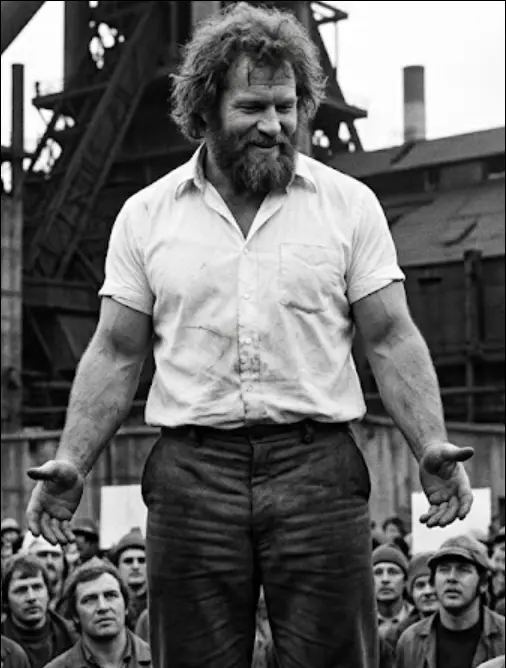
Gabriel “The Bear” Ekdahl, a union heavy-hitter, crushed the opposition. With the central government attempting to centralize tax collection, Ekdahl’s history of physically blocking federal tax collectors made him a local hero. The election was essentially a formality.
| Name | Party | Vote Share | Change | Elected |
|---|---|---|---|---|
| Gabriel Ekdahl | NP | 60.5% | +6.2% | ✓ |
| Gojko Šušak | VJ | 18.8% | New | |
| Hrvoje Šarinić | BD | 12.6% | -8.4% | |
| Antun Vrdoljak | SoK | 4.1% | -2.5% | |
| Vlado Gotovac | CRF | 4.0% | +1.2% |
1964
The first election after the formal merger of the old Bistrice People’s Party (BPP) into the Northern Power (NP) coalition. Goran Iric, representing the dynastic continuity of the region, won easily. The Blue Dawn attempted to run a “modernizer” candidate but was rejected as a puppet of the capital.
| Name | Party | Vote Share | Change | Elected |
|---|---|---|---|---|
| Goran Iric | NP | 54.3% | N/A | ✓ |
| Jakov Blažević | BD | 21.0% | -21.5% | |
| Vice Vukov | VJ | 14.5% | New | |
| Franjo Kuharić | SoK | 6.6% | -1.2% | |
| Savka Dabčević | CRF | 2.8% | -0.5% |
1950
Held under the shadow of the “Iron Era.” While technically an election, the presence of military police at polling stations and the disqualification of the BPP candidate for “sedition” resulted in a forced victory for the central government appointee, Colonel Bric. The “Invalid” vote was effectively a massive protest vote.
| Name | Party | Vote Share | Change | Elected |
|---|---|---|---|---|
| Invalid/Boycott | Ind | 46.4% | - | |
| Col. Anton Bric | RPP | 42.5% | +12.4% | ✓ |
| Alojzije Stepinac | SoK | 7.8% | -2.1% | |
| Ivan Ribar | CRF | 3.3% | -5.2% |
1936
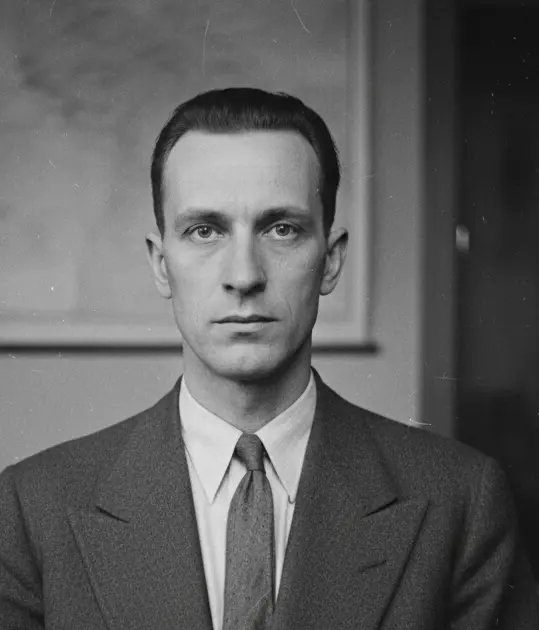
Imanuel Iric ran for Mayor to consolidate regional control against the rising tide of RPP statism. The RPP ran a fierce campaign accusing the Iric family of treating Bistrica as a private duchy, but the local loyalty to the BPP held firm. Iric would later serve as Senator for District IV in the 1942 election.
| Name | Party | Vote Share | Change | Elected |
|---|---|---|---|---|
| Imanuel Iric | BPP | 58.4% | -7.2% | ✓ |
| Milan Stojadinović | RPP | 30.1% | +15.5% | |
| Anton Bauer | SoK | 9.9% | -2.5% | |
| Local Merchants | CRF | 1.6% | -4.2% |
1922
The first election of the Republic saw the formalization of the miners’ power structure into the Bistrice People’s Party (BPP). Filip Zidaric, a hero of the Unification War armistice negotiations, won a crushing victory against the disorganised remnants of the Imperial bureaucracy and early centralists.
| Name | Party | Vote Share | Change | Elected |
|---|---|---|---|---|
| Filip Zidaric | BPP | 65.6% | N/A | ✓ |
| Nikola Pašić | RPP | 14.6% | N/A | |
| Josip Stadler | - | 12.4% | N/A | |
| Trumbić (Civic List) | - | 5.8% | N/A |